Functional Invisalign for Bite Problems & TMJ
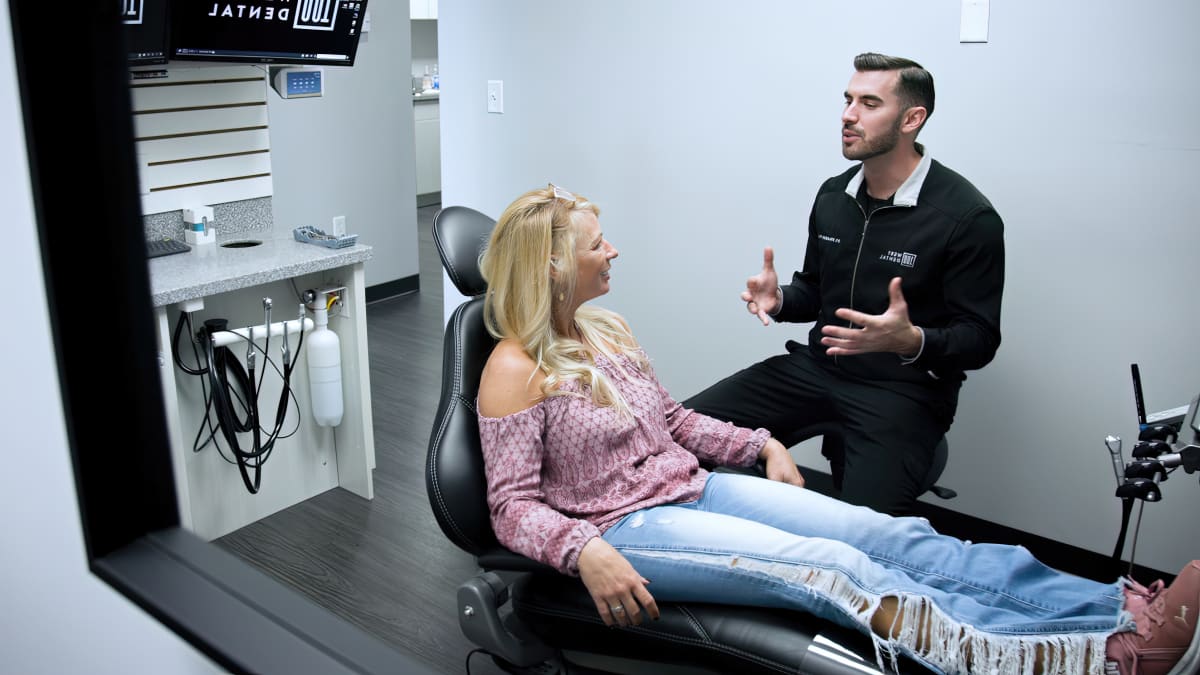


Functional Invisalign for Bite Problems and TMJ: Straightening That Fixes How Your Teeth Actually Work

If a dentist has ever connected your morning headaches, worn-down enamel, or that afternoon jaw tightness to your bite, you've probably wondered whether Invisalign can do anything about the mechanics or if it's purely cosmetic.
You'll be happy to learn that Invisalign can in fact be a real functional tool. Dr. Brandon Prior and the team at 100 West Dental plan clear aligners that way from day one, working around how your teeth come together, where your jaw rests, and what your muscles are doing all day long.
That's a very different starting point than a purely esthetic outcome. When grinding, jaw strain, or an uneven bite is the actual problem, the evaluation matters as much as the trays themselves. Jaw mechanics rarely work in isolation, so this ties directly into how we manage TMD. This bite-focused approach is part of our broader Invisalign and cosmetic dentistry care.
We're welcoming new patients across Ballwin and the greater St. Louis area. Call (636) 585-0100 and ask specifically about bite-focused Invisalign.
Quick Takeaways
- Functional Invisalign targets how your bite works, not only how your teeth look.
- Ask any provider how they evaluate your bite, not just your tooth position.
- Clear aligners aren't right for every case, and we'll tell you that early rather than after you commit.
- Your timeline depends on your specific bite, so expect a realistic range once we've looked closely.
- Not sure where you land? A consultation is the simplest first step, and you can start with a virtual look if that's easier.
How Functional Invisalign Works, Step by Step
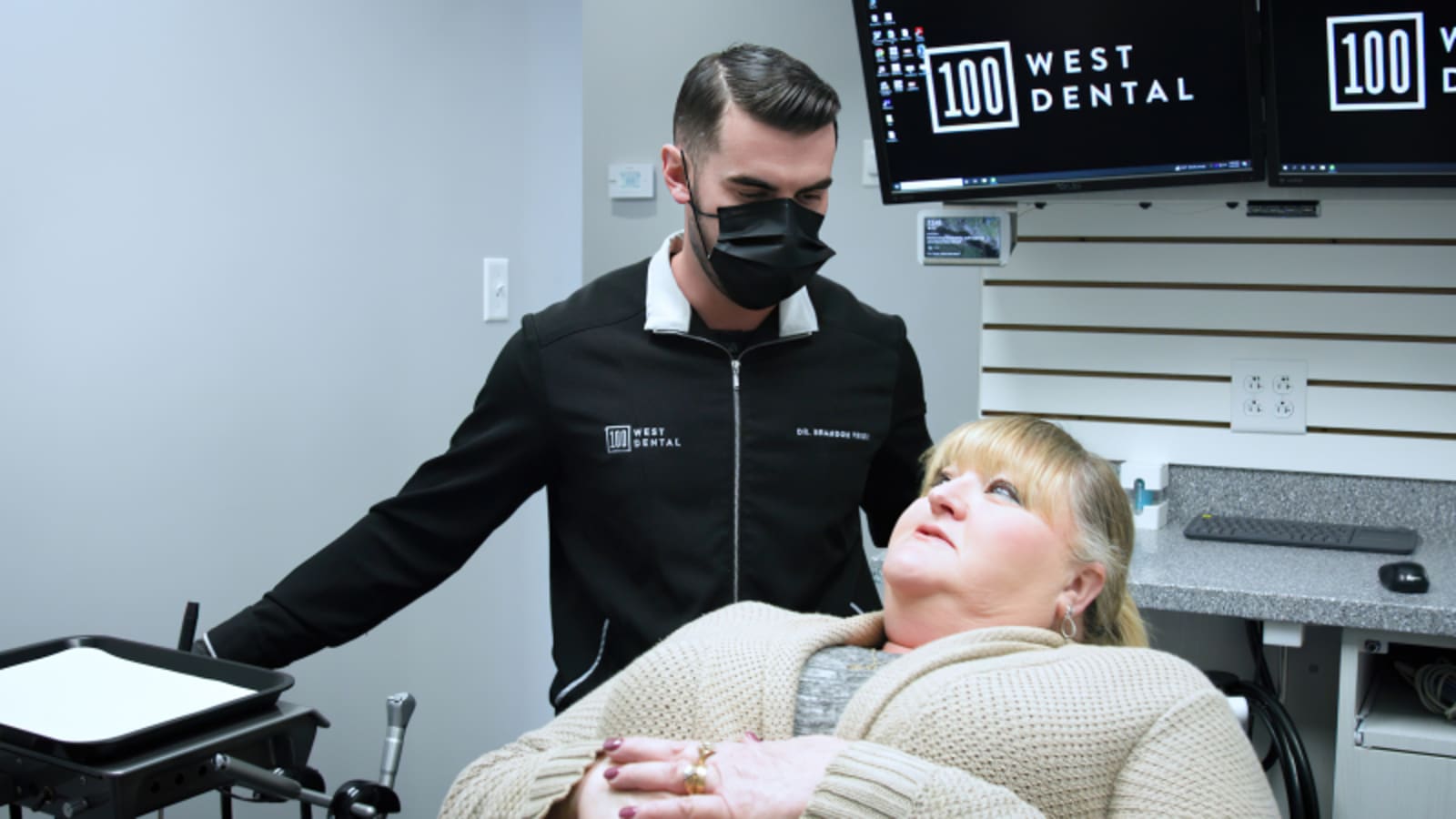
Once we've confirmed clear aligners fit what you're dealing with, here's what actually happens:
- A digital scan, no goopy impressions. We capture your teeth and bite in detail with a digital scanner. That scan becomes the reference point for everything that follows.
- A bite-focused plan. We map how your upper and lower teeth should meet under real chewing pressure. That's the part that makes this functional rather than cosmetic.
- Your custom aligners. You get a series of clear trays. You wear each set as prescribed, then swap to the next as your teeth shift.
- Short check-ins. You stop by our Ballwin office periodically so we can confirm everything is tracking as planned. These quick visits catch small adjustments before they turn into setbacks.
- Retention. Once your teeth and bite settle where they should, we protect the result so it holds.
What Bite-Focused Treatment Can Do for You
You'll likely love how your smile looks, but the reasons this approach matters run deeper than that.
- Less strain on your jaw. When your teeth meet evenly, the muscles that move your jaw aren't fighting a bad fit all day, which can ease tension and grinding-related discomfort. It's a key part of our TMD management approach.
- Slower wear on your enamel. A bite that spreads force properly protects teeth from chipping and flattening over the years.
- More comfortable chewing and speaking. Open bites and crossbites can make everyday eating feel off. Correcting them changes how your mouth functions, not just how it looks. Options like Invisalign can help get you there.
- Support for keeping your own teeth. Our whole philosophy leans toward long-term tooth health, and a balanced bite is a big part of that.
- Removable and discreet. Clear trays come out to eat and brush, so daily life and oral hygiene stay simple.
Who Functional Invisalign Is Right For
Clear aligners handle a meaningful range of bite and alignment issues well, though they aren't the answer for everyone. People who tend to do well with functional aligner treatment often show up with one or more of these:
- Mild to moderate crowding that pushes the jaw into an awkward resting position
- An overbite or crossbite driving uneven tooth wear or jaw tension
- An open bite affecting how teeth meet when chewing or speaking
- Clenching or grinding tied to how the upper and lower teeth contact
- TMJ discomfort that may have a bite-alignment component
Some bite problems run deeper than orthodontics alone can reach. Significant skeletal differences, advanced joint dysfunction, or substantial tooth loss may call for a coordinated plan that folds in restorative work alongside or instead of aligners. If that's your situation, you'll hear it plainly.
Seeing Dr. Brandon Prior or Dr. Andrew Hartman in person, so someone can actually look at your bite before anyone commits to a path, is the point of the first visit.
The Timeline and What to Expect
It depends on what we're treating. When the focus is mostly appearance, tooth position often shifts fairly early. Functional cases, where we're changing how your bite genuinely comes together, tend to take more patience. We'll tell you which category yours falls into before you start, not after. If you're weighing your options, our team can walk you through Invisalign and other alignment approaches during a consultation.
Along the way, most people notice:
- Mild pressure for a day or two after switching to a new set, which usually fades quickly
- Gradual changes in alignment that get more obvious in photos over the weeks
- Shifts in how the bite feels, which often show up before visible changes in functional cases
Total tray count and duration vary with your case. We'll give you a realistic range built around your actual bite and goals, and we'll walk you through the reasoning behind it. Because we evaluate every person across four risk categories, gum and infection health, biomechanical strength, bite alignment, and esthetics, we can also flag whether other factors, like gum health, should be handled alongside your alignment. If gum health needs attention first, we'll fold that into the plan.
Preparing for Treatment and Caring for the Result
Come to your first visit with your symptoms in mind: when your jaw feels worst, whether you wake up clenching, how your bite feels when you chew. Jot it down if that helps. We'll handle the rest with imaging and a digital scan.
Once you're in treatment, a few habits make the biggest difference:
- Wear your aligners the prescribed number of hours each day. Consistency keeps your teeth tracking on schedule.
- Take trays out to eat and to drink anything but water, then brush before putting them back in.
- Rinse and clean your aligners daily so they stay clear and fresh.
- Keep your check-ins even when everything feels fine.
After active treatment, wearing your retainer as directed protects the bite you worked for. Teeth drift when you leave them alone, so retention isn't the optional part; it's what makes the whole thing last.
Cost, Insurance, and Financing For Functional Invisalign & Clear Aligners
Functional cases vary in complexity, so we quote your treatment based on your actual case rather than a flat rate. The number you get is built around your bite, not an average.
If your treatment has a documented functional or medical component, like bite correction that affects how your jaw works, some plans may apply orthodontic or partial benefits. We can't promise what your carrier will approve, but we'll review your coverage and explain what may apply before you decide anything. We accept many major plans, including Aetna, Delta, Cigna, MetLife, and Guardian. You can see the full list of accepted plans on our Be Our Guest page.
- Cost reflects case complexity, not a one-size-fits-all price
- Insurance review is part of the initial workup
- Financing options can be worked out with our team
If you don't have insurance, or you'd prefer a simpler alternative, ask us about the 100 Club VIP Membership, our in-house prepaid plan with no deductibles or yearly maximums.
If you'd rather get a feel for your options first, a virtual consult lets us take an early look before you set foot in the office.
Why Patients Choose Us for Bite-Focused Care
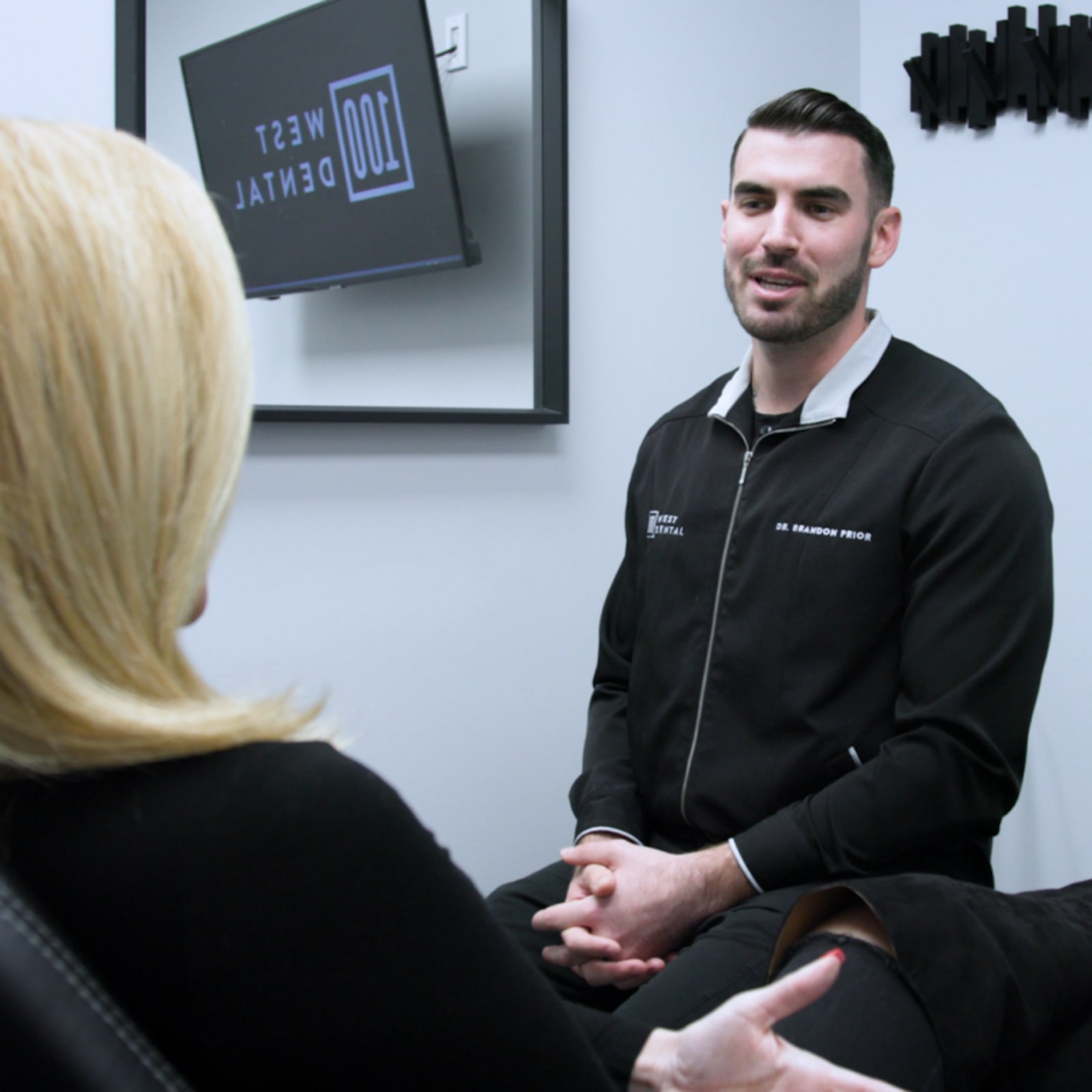
Most aligner providers run the same play: take records, map the movements, start the trays. We add an evaluation step before any plan gets finalized, because a bite problem you can't see clearly is a bite problem you can't fix properly. It's part of the broader functional dentistry approach we bring to every patient.
A lot of that comes down to how Dr. Prior practices. He puts in hundreds of hours of continuing education every year in cosmetic, implant, and advanced restorative dentistry, and he trains other dentists as a lecturer with Biotech Dental. Because we're a functional practice at heart, your jaw mechanics and how your teeth meet are part of the plan, never an afterthought.
For anyone who's been told they're "fine" elsewhere but still feels tension, uneven wear, or discomfort, that thoroughness is the whole point. No white coats, no corporate stiffness here, just a team that listens and serves Ballwin and the surrounding St. Louis region.
Common Questions About Invisalign for Bite and Jaw Problems
Can Invisalign actually help my TMJ pain, or does it just move teeth?
Aligners can correct the bite issues that contribute to jaw strain, and for some people that eases TMJ-related discomfort. Whether your symptoms come from alignment, muscle tension, or something structural is exactly what a thorough bite evaluation sorts out before treatment starts. We manage TMD alongside alignment so we can look at the full picture rather than one piece of it.
How is bite-focused Invisalign different from regular Invisalign?
The trays work the same way. The difference is the workup. Before any plan is finalized, we use Cone Beam imaging and a digital scan to study your jaw mechanics, how your muscles behave, and where your teeth actually make contact under load. That deeper picture guides a functional plan instead of one built on appearance alone.
Will insurance cover it if it's a bite problem and not cosmetic?
Coverage depends on your plan and how the treatment is documented. See the Cost, Insurance, and Financing section above for how we handle benefits review.
What if my case is too complex for clear aligners?
If aligners aren't the right tool for your bite, we'll map out the approach that is, whether that's coordinated restorative work or a referral to the right specialist. You won't be pushed into a treatment that can't do the job.
Do I need a referral to come in?
No referral needed. You can come straight in to our Ballwin office, and we'll assess whether clear aligners fit what you're dealing with.
Will straightening my teeth actually change how my bite feels?
In a functional plan, that's the goal. We move teeth so they meet evenly, which is what changes how your bite feels day to day, not just how it looks in the mirror.
Ready to Find Out If Your Bite Is the Problem?
If you've been living with headaches, jaw tension, or uneven wear and no one has given you a clear explanation, you're not imagining it. Often the missing piece is a careful look at how your bite is actually functioning. Our approach to functional dentistry is built around exactly this kind of whole-picture evaluation.
Come in for an evaluation at our Ballwin office; the goal is to understand what's going on, not to hand you a plan you didn't ask for. Reach us at (636) 585-0100, or start with a virtual consult if that's easier. Either way, the conversation happens on your terms.
