How Much Does Invisalign Cost? Timeline, Refinements, and More



How Much Does Invisalign Cost? A Complete Guide to Straightening Adult Teeth
Clear aligner treatment in the St. Louis area generally runs between $3,000 and $8,000. That range exists because no two cases are the same. How much your teeth need to move, whether one or both arches are treated, and what the fee actually includes all shift that number. This guide walks through every factor so the range starts to make sense.
Dr. Brandon Prior and the team at 100 West Dental in Ballwin put this together for patients who want a straight answer. We cover what causes teeth to shift, how to spot a bite problem, what a real evaluation involves, and how aligners compare to every other option. Cost is part of the conversation, but so is whether Invisalign is actually the right call for your case.
Ready to talk through your specific situation? Call us at (636) 585-0100.
What This Guide Covers
This is a full walkthrough of adult teeth straightening, not just a price page. Here's what we cover:
- Why adult teeth drift, crowd, and shift back in the first place.
- The warning signs of a bite problem, beyond how it looks.
- What a full exam and records involve, and why they come before any quote.
- How Invisalign treatment actually works, step by step.
- Insurance, FSA/HSA, and the 100 Club VIP Membership.
- Timelines, refinements, daily life in trays, and keeping your results long-term.
- The questions that separate a thorough exam from a rushed recommendation.
What Causes Crooked Teeth and a Misaligned Bite in Adults?
Genetics and Jaw Development
Tooth size and jaw size are inherited independently, so many people end up with more teeth than their jaw has room for. That mismatch is what produces crowding, overbites, and crossbites.
Childhood Habits and How You Breathe
Thumb sucking, tongue thrusting, and chronic mouth breathing all apply steady pressure to a growing jaw over years. Mouth breathing in particular is linked to a narrower palate and more crowding, because the tongue isn't resting where it should to support the upper jaw from the inside.
Tooth Loss and Drifting
Leave a gap open and neighboring teeth will slowly lean into it. Most people don't notice until the bite feels off or food starts packing in. Missing molars are a common hidden driver of adult crowding, and replacing them with dental implants often needs to happen alongside straightening.
Wear, Grinding, and Aging
As teeth wear down, the bite shifts and teeth reposition to find a new resting place. Lower front teeth crowding in your forties and fifties is very common. When grinding is driving the change, addressing the bite directly is part of getting lasting results.
Relapse After Previous Orthodontics
Stopped wearing your retainer after braces? Your teeth have had years to drift back. Relapse is the most common reason adults ask about aligners, and it's usually one of the more straightforward cases to correct.
Signs Your Bite Needs Attention, Not Just Your Smile
A lot of people come in focused on how their smile looks. But how your bite functions is usually the more important reason to treat it. When your teeth don't meet evenly, the stress shows up in places you'd never think to connect to your teeth.
- Uneven enamel wear. One or two teeth that look flattened, shortened, or shinier than the rest are taking on more pressure than they should.
- Chipping along the edges. Small chips on your front teeth often come from how your teeth hit each other, not from what you were eating.
- Jaw soreness or clicking. Especially in the morning, this usually points to nighttime clenching and a jaw joint working harder than it should.
- Headaches around the temples. The muscles that close your jaw run up the sides of your head, and when they're overworked, they ache.
- Gum recession on specific teeth. Sometimes recession has nothing to do with brushing too hard. Uneven bite pressure can pull gums back on certain teeth, and that may need gum disease treatment alongside any bite correction.
- Chewing on one side or avoiding certain foods. Most people adapt around a bad bite for years without realizing they're doing it.
- Teeth that have visibly shifted since you last looked closely. Straightening them with Invisalign can redistribute pressure more evenly across your teeth.
None of these on their own means you need orthodontic treatment. But several together suggest a bite that isn't working the way it should, and that's worth a closer look.
How an Orthodontic Evaluation Works: Records, Scans, and Diagnosis

Clinical Exam
We look at your teeth, gums, existing restorations, and how your top and bottom teeth come together. We also check how your jaw opens and shifts, watching for clicking or tenderness. If there are signs of joint pain, TMD treatment may need to come before any teeth start moving.
3D Digital Scan
A small wand scans both arches and maps how they fit together, no impression trays needed. The result feeds directly into planning software and drives your Invisalign aligner design.
Photographs and X-Rays
Photos capture your starting position and how your smile fits your face. X-rays show root length, bone levels, and anything below the gumline that could affect the plan.
Bite, Airway, and Periodontal Screening
Gum and bone health determine whether your teeth can safely move. Active gum disease treatment always comes first. We also ask about airway and sleep, since how you breathe at night can connect to your bite in ways worth knowing before treatment starts.
How Invisalign Works: A Step-by-Step Breakdown
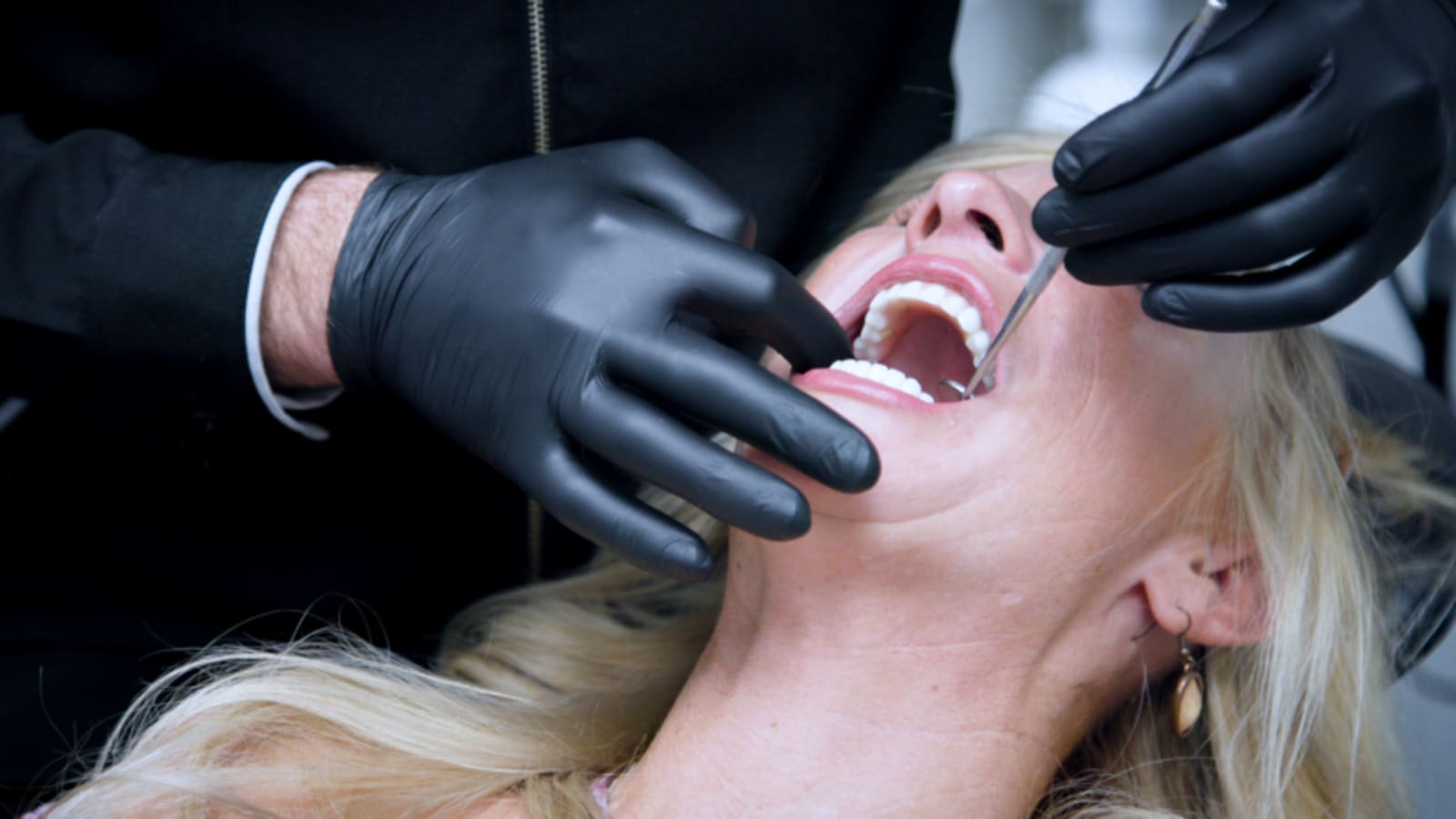
Teeth sit in bone, held by tiny fibers, and they respond to steady gentle pressure by moving. Every straightening system is just a different way of delivering that pressure. Here is how Invisalign does it.
- Digital Treatment Planning. Your scan becomes a 3D model showing the full sequence of movements from start to finish. You can usually see your projected outcome before treatment begins. Dr. Brandon Prior, Dr. Andrew Hartman, and Dr. Sara Corrigan each review that plan against your bite and overall oral health before anything moves forward.
- Tray Sequencing. Each tray is slightly different from the one before it. You wear a set for one to two weeks, your teeth shift a fraction of a millimeter, and you move to the next. Dozens of small moves add up to a straighter smile.
- Attachments. Small tooth-colored bumps bonded to specific teeth give the smooth plastic something to grip. Without them, certain movements like rotations simply won't happen. They come off at the end of treatment and aren't noticeable from a normal distance.
- Interproximal Reduction (IPR). A tiny amount of enamel, usually less than a millimeter, is gently polished between teeth to create space. It relieves crowding without removing a tooth and stays well within safe enamel thickness when planned properly.
- Invisalign Teen. The same system, with a few extras built around a growing mouth. Compliance indicators fade with wear, and there is built-in space for teeth still coming in. A great fit for teenagers who would rather not spend high school in brackets.
How Much Does Invisalign Cost, and Why Is the Range So Wide?
The realistic local range is $3,000 to $8,000. Three things move you within it.
- Case complexity and scope. Minor crowding costs less. Significant bite correction, stubborn rotations, or treating both arches takes more trays, more time, and more visits.
- Treatment tier. Invisalign ranges from limited options to comprehensive plans with unlimited trays. Which fits your case is a clinical call, not a budget one.
- What the fee actually includes. Some quotes bundle refinements, retainers, and all visits. Others bill them separately. Two quotes that look different can be identical once you compare what is inside them.
Most adults land somewhere in the middle of that range. If you do not have dental insurance, our 100 Club VIP Membership can help keep routine care costs manageable while your teeth are moving.
Paying for Treatment: Insurance, FSA/HSA, and Memberships
We accept many major insurance plans, including Aetna, Delta, Cigna, MetLife, and Guardian. The full list is on our Be Our Guest page. If your plan includes orthodontic benefits, check whether it covers adults or only dependent children before your consultation. Many plans limit ortho coverage to dependents, and most people never think to look. If you have an FSA or HSA, orthodontic treatment is generally an eligible expense, so you can pay with pretax dollars and potentially pull from two plan years for a single course of treatment.
If you don't have insurance, our 100 Club VIP Membership is worth knowing about. It covers the routine care that runs alongside your treatment: exams, cleanings, X-rays, fluoride treatments, oral cancer screenings, and one emergency visit. Members also get 15% off general treatments. It is not insurance; it is prepaid care with no deductibles, no pre-authorizations, and no annual maximums.
Membership runs $45 a month or $480 a year, with family discounts from 10% for two members up to 20% for four or more. If gum disease or gingivitis is present, that needs to be treated before your cleaning, and a periodontal maintenance plan may be available for those who qualify.
Refinements Explained: Why Most Cases Need a Second Round of Aligners
A refinement is a new set of aligners made from a fresh scan to finish movements that didn't land exactly as planned. This is normal. Teeth are living structures and don't always follow the digital script, so refinements are built into the process to bring everything back on track.
When They Happen
Usually near the end of your tray series, once it's clear what moved as planned and what needs more work. Sometimes they happen mid-treatment if teeth aren't tracking well early on.
How Much Time They Add
Anywhere from a few weeks to several months. Most comprehensive adult cases include at least one refinement round, so knowing that going in means it won't catch you off guard.
Whether They Are Included
Confirm this in writing before you start. Comprehensive plans commonly include refinements up to a defined limit, while shorter plans often bill them separately. Our team walks through exactly what is covered before you commit to anything.
Daily Life in Treatment: Wear Time, Comfort, and Oral Hygiene
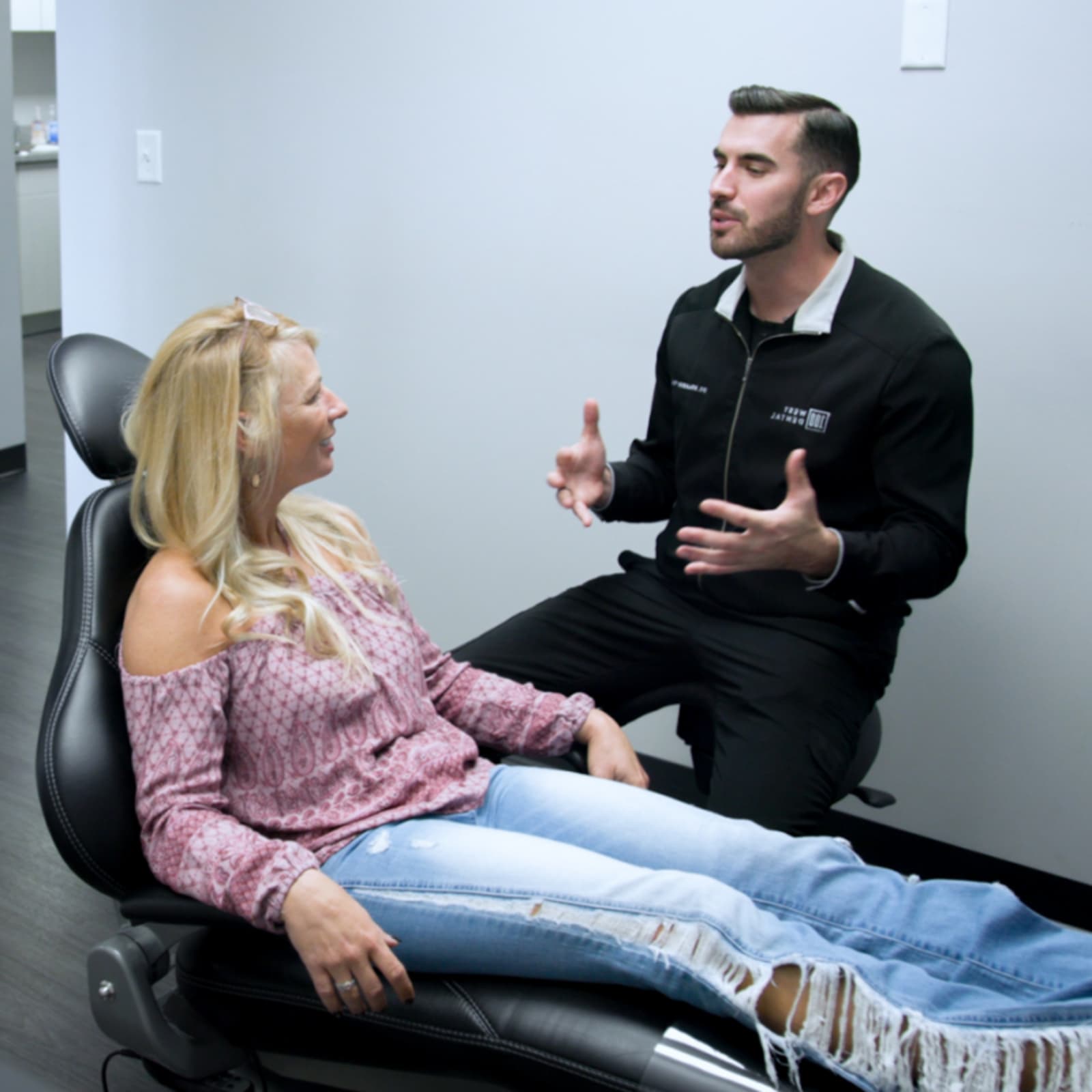
More ordinary than most people expect, with a few real adjustments.
- Wear time. 20 to 22 hours a day. Out for meals, out for anything but water, back in right after. Skipping even an hour or two each day adds weeks to your timeline.
- Pressure with each new tray. Expect a day or two of tightness or soreness after switching sets. That feeling means your teeth are responding, and it fades quickly. Switching at bedtime lets the first night do most of the work.
- Eating and drinking. Trays come out to eat, every time. Hot drinks warp the plastic, and anything sugary or colored trapped under a tray sits against your teeth for hours. Coffee drinkers make it work; it just takes a routine.
- Cleaning trays and teeth. Rinse trays whenever they're out, clean them gently with a soft brush and cool water, and brush before putting them back in so you're not sealing food against your teeth. Aligners tend to make people more consistent about brushing and flossing, which is a real side benefit of treatment.
- Speech. A slight lisp is common in the first few days while your tongue gets used to the trays. Nearly everyone stops noticing within a week.
- Progress visits. Short appointments at our Ballwin office to confirm your teeth are moving as planned, adjust attachments if needed, and give you the next batch of trays. We also check your gum and bone health while your teeth are actively moving.
Retention and Aftercare: Protecting Results for Life
Removable Retainers
These look a lot like your final aligners. They're easy to wear and easy to clean, but also easy to lose. The usual routine is full-time wear for a while after treatment ends, then nightly wear from that point on.
Bonded Retainers
A thin wire bonded behind your front teeth. There's nothing to remember and nothing to misplace, but you'll need to floss carefully around it, and the bond can occasionally need a repair.
What Retention Actually Costs
Some practices include the first set of retainers in your treatment fee. Others charge separately. Ask before you start. After that first set, budget for replacements over the years, since removable retainers warp, crack, and go missing.
When Straightening Is Only Part of the Plan: Combining Orthodontics With Other Care
Health First
Gum disease, cavities, and damaged restorations get resolved before any teeth start moving. Active infection and orthodontic treatment don't mix.
Alignment Next
Straightening first makes every cosmetic step that follows more predictable and less invasive. A rotated tooth brought back into line may need a little bonding; left crooked, it might need a full veneer.
Cosmetic Refinement After
Whitening, veneers, and gum contouring all deliver better results when your teeth are already in the right place. We plan those finishing touches around your final tooth positions.
Restorative and Implant Work
Missing teeth change the equation. Orthodontics can open or close a gap to set up the ideal position for an implant crown, and any bone grafting needed gets worked into that sequence.
Questions to Ask Any Provider Before You Commit
Write these down and bring them. Any practice doing thorough diagnostic work will welcome every single one.
- What did you find in my exam that led to this recommendation? You want specifics about your gums, bone levels, jaw joint, and bite, not just a general thumbs-up for aligners.
- Did you take X-rays and check my gum health first? A quick "you're a great candidate" without a full exam is the biggest warning sign there is.
- Is my case a good fit for aligners, or is it on the borderline? Ask what would make you a stronger candidate for braces or a referral to a specialist.
- Does the fee include refinements, and how many? Get the limit and the time window in writing.
- Are retainers included, and what kind? Also ask what replacements will cost down the road.
- What happens if my teeth don't move as planned? You want a clear process explained, not just reassurance that it will be fine.
Finding Out What This Would Look Like for You
You've read the ranges. Now the next step is a conversation with someone who can actually look at your teeth, your gums, your bone, and the way your jaw moves, and give you a number that means something.
Dr. Brandon Prior, Dr. Andrew Hartman, and Dr. Sara Corrigan see patients from Ballwin and the surrounding area. We look at the whole picture first, build a plan second, and talk through the price third. Call 100 West Dental at (636) 585-0100 whenever the timing feels right.
