Composite Veneers in Ballwin, MO

Composite Veneers in Ballwin, MO: A Smile Change That Fits Where You Are Now
Composite veneers are thin layers of tooth-colored resin bonded to the front of your teeth to correct chips, gaps, discoloration, and small shape quirks, usually in a single visit and without grinding away healthy enamel. If you want a real, visible improvement without committing to anything permanent, this is often the smartest place to start.
Dr. Brandon Prior and the team at 100 West Dental in Ballwin work every day with people who just want a straight answer about what actually suits their teeth. Composite isn't a runner-up to porcelain; for the right concerns, it's simply the right tool.
If you'd like to talk it through, call us at (636) 585-0100, or start with a virtual consult from home.
Quick Takeaways
- Bring your specific concern to the consult, whether it's a single chip, a gap, or staining whitening couldn't touch. The plan gets built around that, not a template.
- Most cases finish in one visit, with no lab wait and no temporary veneers to manage.
- Little to no enamel is removed, so the change stays reversible and your natural tooth structure stays intact.
- If you grind your teeth, ask how composite would hold up against your bite before you commit.
- Composite costs less per tooth than porcelain veneers, which matters when you're treating several teeth together.
- Not sure veneers are even the answer? A consult will tell you honestly whether whitening or something else fits better first.
How Composite Veneers Actually Work
1. We take a real look at your smile
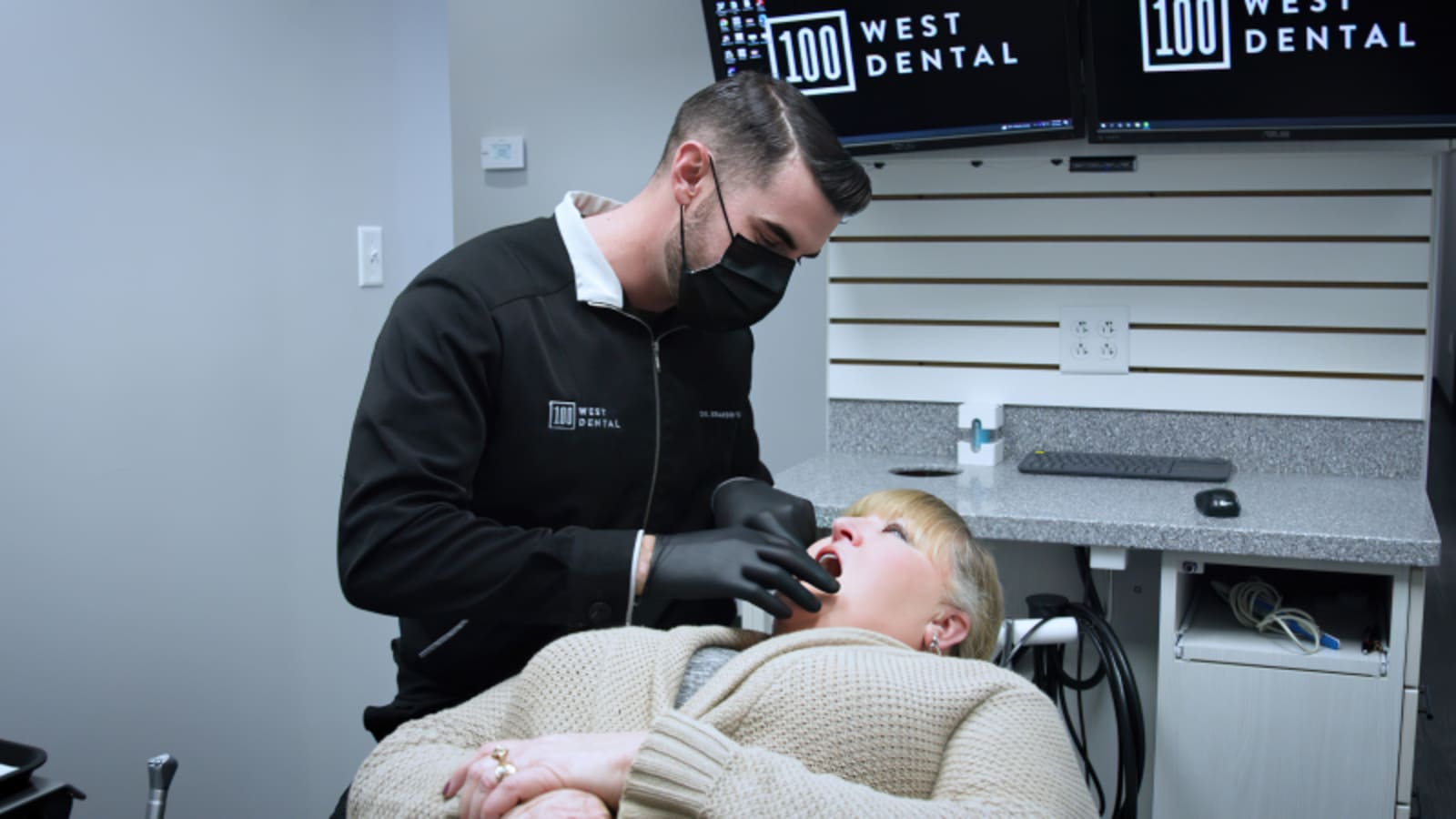
Before anything touches your teeth, your dentist studies the shape, color, alignment, and bite to confirm composite fits what you want to change. This is where you talk through your goals too, because the result should suit your face and how you want to look. If you're still weighing your options, we'll walk you through your cosmetic choices to find the right fit.
2. We prep the surface, gently
In most cases this means little to no enamel removal. We clean the tooth and lightly condition the surface so the resin bonds well. You're not sacrificing healthy tooth structure to get here.
3. We sculpt and shape the resin by hand
Your dentist applies tooth-colored composite directly to the tooth, then shapes it layer by layer to build the contour and proportion you agreed on. A curing light hardens each layer. This is hands-on artistry, and it's why who does the work makes such a difference in how natural the result looks. Both Dr. Prior and Dr. Andrew Hartman bring a careful, detail-focused approach to this step.
4. We polish and refine
Once the shape is right, we polish until it catches the light and feels like the rest of your teeth. We check your bite, make small adjustments, and you leave with a finished smile the same day.
What You Actually Gain With Composite Veneers
- Repairable when life happens. A chipped composite veneer can usually be touched up chairside instead of replaced wholesale.
- A natural look when it's done well. Quality resin, carefully shade-matched and hand-shaped, blends right in with your own teeth. Our cosmetic dentistry team takes the time to get it right.
- A reversible first step. If you later decide you want porcelain veneers, you can move to it without having given up tooth structure.
Are You a Good Candidate For Composite Veneers?
Not every concern calls for the same fix, and composite works best in specific situations. It tends to be a strong choice when you're dealing with:
- Minor chips or small fractures on otherwise healthy teeth
- Gaps that feel out of proportion with the rest of your smile
- Discoloration that hasn't budged with professional whitening
- Slight size or shape quirks you've wanted corrected for years
- Wanting to preview a smile change before committing to porcelain veneers
That last point carries real weight. Because the resin goes on without removing enamel, you can genuinely try a new shape or length on for size.
Composite isn't right for everyone, and we'll say so plainly. If you're a heavy grinder, that stress can chip resin over time, so we'd talk about protecting your bite first. Teeth with significant structural damage may need a sturdier restoration before anything cosmetic goes on. We treat candidacy as a clinical assessment, and a consult is the honest way to find out where you stand.
Timeline and What to Expect
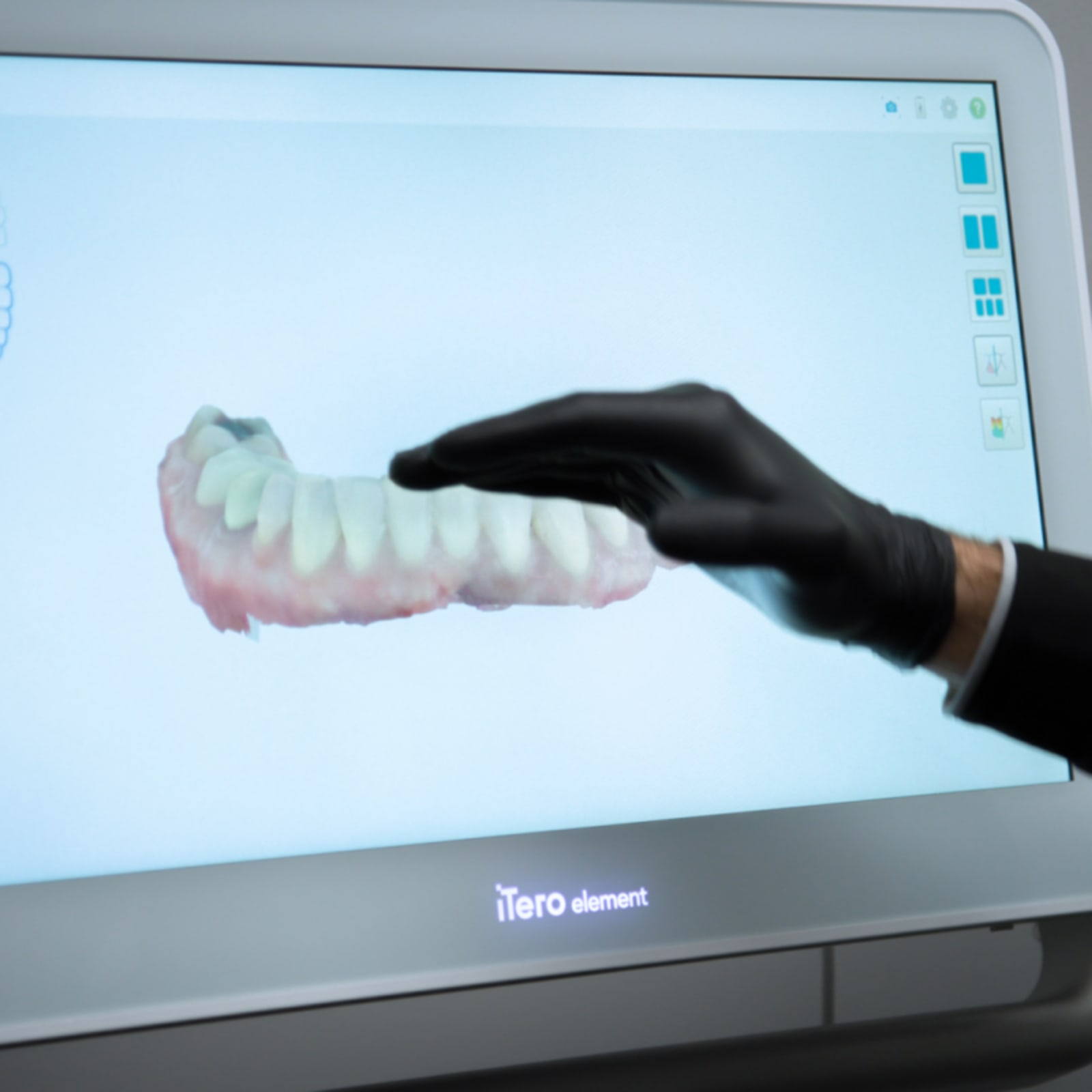
For most people, composite veneers are a single-appointment procedure. You come in, we work through the steps above, and you walk out with the finished result the same day. There's no lab wait and no return trip for placement.
Visit length depends on how many teeth you're treating and how much detail each one needs. A single front tooth is quick; four to eight teeth take longer because each one is shaped and polished by hand. We build in the time to get proportion, shade, and bite right rather than rushing the finish. Larger cosmetic cases are scheduled on Fridays by appointment so this kind of work gets the unhurried attention it deserves.
Composite veneers are one part of the individualized, functional approach we take at our Ballwin practice, where we evaluate every smile across periodontal health, bite, biomechanics, and esthetics. If you'd like to talk through your options with Dr. Prior or Dr. Hartman, give us a call at (636) 585-0100.
How to Care for Them, and How Long They Last
Composite veneers typically last five to seven years with good care, and many hold up well beyond that depending on your habits and bite. Keeping them looking right comes down to a few simple things:
- Brush and floss daily so staining doesn't creep in at the edges
- Skip biting into ice, hard candy, or crusty bread with your front teeth
- Keep up with routine visits so any wear gets caught early
Composite has one genuine edge over porcelain: if it chips or wears, it can usually be repaired chairside in a single visit rather than remade from scratch. Your bite plays a big role in how long any veneer holds up, which is part of why we look at bite-related wear and jaw function as part of your overall care, not just the tooth in front of us. If you're weighing your options, our team can walk you through how veneers fit into your bigger picture and help you decide what's right for your smile.
What It Costs and How to Pay for It
Composite costs less per tooth than porcelain, which adds up quickly when you're treating four, six, or eight teeth at once. We don't publish a flat price, because the real number depends on your mouth. A few things shape it:
- How many teeth you're treating
- How much shaping and color work each tooth needs
- Whether anything needs attention before placement
Like most cosmetic work, veneers usually aren't covered by dental insurance. We'll review the full cost at your consultation and walk through payment options then, including our in-house 100 Club membership plan for patients without insurance or those looking for a simpler alternative to traditional dental coverage. If you're torn between composite and porcelain, we'll help you weigh that honestly.
Why People Around Ballwin Choose Us for Cosmetic Work

People come from across Ballwin and the wider St. Louis area to weigh their cosmetic options with us, and what sets the experience apart is straightforward: we assess candidacy honestly before recommending any path.
Dr. Prior puts hundreds of hours a year into continuing education in cosmetic and advanced restorative dentistry, and he trains and lectures for other dentists through his work with Biotech Dental. The right call between composite and porcelain depends on your tooth structure, your goals, and how you want to maintain your smile, and we'll walk you through that reasoning in plain terms.
Composite Veneer FAQs
How are composite veneers different from porcelain veneers?
Both are legitimate cosmetic tools, and the right one depends on your teeth, your bite, and how you want to maintain your smile. The practical difference is how they're made: composite is sculpted directly onto the tooth in the chair, while porcelain is fabricated in a lab. We'll lay out the trade-offs at your consult so the choice is yours to make with full information.
Can composite veneers really be done in one appointment?
Usually, yes. What varies is chair time, not the number of visits. A single front tooth might take under an hour, while a full front-eight case can run a few hours because each tooth is layered, shaped, and polished by hand. We schedule larger cases on Fridays so there's room to work without rushing.
Will they look natural?
When placed by a skilled hand, composite can closely mimic the translucency and texture of real enamel. The outcome comes down to small decisions, like reading how a tooth catches light and blending resin to sit right against the teeth beside it. Our cosmetic dentistry team, led by Dr. Prior, focuses on exactly these details.
What if one chips down the road?
A chip can typically be repaired chairside without redoing the whole veneer. Bring it in sooner rather than later so we can match the original shade and shape before the surrounding teeth shift in color, and we'll talk through what likely caused it, since a repeated chip in the same spot often points to a bite issue worth addressing.
Do I need veneers, or would whitening be enough?
Whitening brightens color, but it doesn't change shape, size, or texture. If your concerns include chips, gaps, uneven edges, or staining whitening hasn't touched, veneers are the more fitting conversation. We'll help you sort out which one actually matches what's bothering you.
How many teeth do most people treat?
It varies. Some people fix a single chipped front tooth; others address the four to eight teeth that show most when they smile. A tip that helps at the consult: smile wide in a mirror and note which teeth you see, since that "smile line" usually tells us more about how many to treat than a fixed number does.
Let's Talk About Your Smile
If chips, gaps, uneven edges, or stubborn staining brought you here, you've already done the hard part. The next step is just a conversation.
Come in and you'll get to ask the questions you've been sitting with, hear an honest read on whether composite veneers suit your teeth, and see what the process would look like for you. If your smile goals go further, we can talk through options like Invisalign or a full cosmetic dentistry plan built around you.
When you're ready, call us at (636) 585-0100. You'll find us at 13759 Manchester Road in Ballwin.
More Information Coming Soon...
